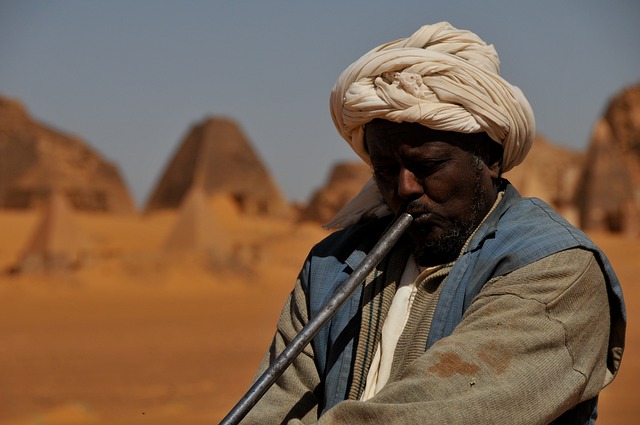
Sudan's culinary culture is a diverse tapestry blending African and Middle Eastern influences, celebrated through local tours, workshops, and market experiences. Sudan Naturally offers sensory exploration of vibrant markets, haggling, and traditional dishes like fuul and Arabian coffee. Guided culinary tours and cooking classes with local experts teach historical recipes, reflecting regional diversity from the Nile to desert areas. During festivals like Ramadan, community-focused food drives enhance cultural immersion. Embrace Sudan's culinary heritage through immersive experiences that highlight its rich tapestry of traditions and hospitality.
Sudan, a land of rich history and diverse cultural heritage, naturally boasts a cuisine as unique and captivating as its people. Special offers on Sudan cuisine tours present an extraordinary opportunity to immerse oneself in the vibrant culinary landscape of this often overlooked destination. However, navigating these tours can be challenging, with limited information available. This article aims to rectify this gap by providing a comprehensive guide, offering insights into the best special offers, hidden gems, and authentic experiences that Sudan’s culinary scene has to offer. We empower travelers to embark on transformative journeys, where every bite becomes a gateway to understanding Sudan’s complex tapestry.
- Discovering Sudan's Culinary Treasures: A Cultural Journey
- Exploring Local Markets: Tasting Sudan Naturally
- Cooking Classes with Local Experts: Immerse in Traditional Flavors
- The Evolution of Sudanese Cuisine: Modern Tours and Heritage
Discovering Sudan's Culinary Treasures: A Cultural Journey

Sudan’s culinary landscape is a vibrant tapestry woven with centuries of history and cultural diversity. Exploring its special offers on cuisine tours is like embarking on a journey through this captivating country’s heart, where every dish tells a story. From the bustling markets of Khartoum to the tranquil villages along the Nile, Sudan invites visitors to discover its culinary treasures, offering a unique blend of flavors influenced by both African and Middle Eastern cuisines.
The nation’s diverse ethnic groups contribute to a rich gastronomic heritage reflected in festive occasions and traditional celebrations. During ramadan, for instance, Sudan’s cooking classes become hotspots for learning the art of preparing iftar meals, with locals sharing their secrets for creating mouthwatering dishes like molokhia and ful medames. Welcoming Sudan’s traditional new year is another culinary adventure where family recipes are passed down through generations, featuring unique ingredients sourced locally from the fertile lands. These experiences not only satiate the taste buds but also offer a deep dive into the community challenges and health initiatives that shape Sudan’s culinary identity, fostering cultural exchange and understanding.
To truly embrace Sudan’s cuisine, consider joining local food tours or participating in cooking workshops led by experienced chefs who can navigate the nuances of traditional preparation methods. These immersive experiences allow visitors to not only savor authentic flavors but also gain insights into the daily lives and customs of Sudan’s people. For those unable to visit, exploring Sudan’s culinary offerings through online resources, such as virtual cooking classes or travel blogs, can provide a taste of this captivating cuisine from afar. Write to us at pakistan.com for more insights on how to navigate and support sustainable tourism initiatives in Sudan, ensuring that your culinary journey contributes positively to the local community.
Exploring Local Markets: Tasting Sudan Naturally
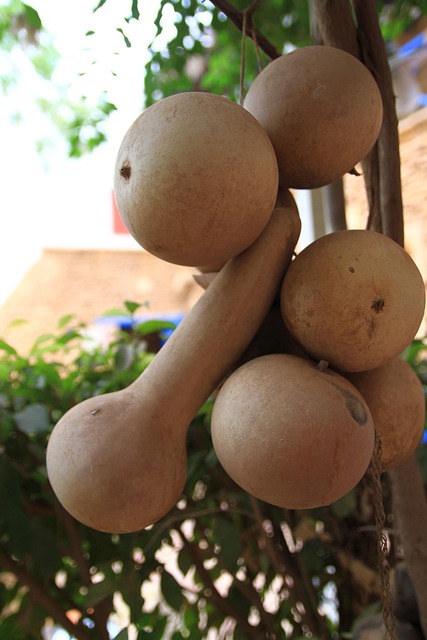
Exploring Local Markets offers an authentic taste of Sudan Naturally. These vibrant hubs are not just places to shop; they’re cultural melting pots where centuries-old traditions meet modern life. Imagine navigating through bustling aisles brimming with exotic spices, fresh produce, and handcrafts, all while savoring the aromatic wafts of coffee and traditional dishes. This sensory experience transcends mere shopping, inviting you to delve into Sudan’s rich tapestry of sudanese cultural stories shared around moonlight winter art exhibitions, Prophet Muhammad’s birthday celebrations, and blossoming love in Sudan.
Market visits provide a unique lens into local life and customs. Sellers call out, showcasing their wares with vibrant colors and hearty smiles. You might haggle over the price of textiles, a practice that strengthens community bonds and fosters fair trade. This is where the true spirit of Sudan Naturally shines through – the warmth of human connection and the joy of shared experiences.
For an immersive experience, consider joining guided tours focused on culinary exploration. These journeys will not only introduce you to local delicacies but also teach you about traditional cooking methods passed down through generations. Think learning to prepare a hearty bowl of fuul (fava bean stew) or indulging in the perfect cup of jebana (Arabian coffee). These culinary forays are more than meals; they’re bridges between cultures, offering a taste of Sudan’s rich heritage and welcoming spirit. To truly embrace Sudan Naturally, open your senses to the vibrant markets and their stories – it’s an invitation to connect with the heart of this remarkable land. Write to us at pakistan.com for tailored tours that promise unforgettable insights into Sudan’s culinary and cultural wonders.
Cooking Classes with Local Experts: Immerse in Traditional Flavors

Immerse yourself in Sudan’s rich culinary culture through our unique Cooking Classes with Local Experts. These immersive experiences offer a deep dive into traditional flavors, allowing you to learn from the best—the local chefs who have honed their skills within Sudan’s vibrant food scene. Whether it’s preparing authentic Sudanese dishes for summer sunset soirees or embracing culinary adventures inspired by local recipes, these classes are more than just learning sessions; they’re journeys into the heart of Sudan’s sacrifice, solidarity, and joy.
Our expert instructors, selected from diverse communities across the country, share their passion for cooking while telling stories about their heritage. You’ll learn not only the art of preparing dishes like fuul (fava bean stew) or kabsa (rice pilaf with meat) but also the history behind them. Sudan’s cuisine reflects its diverse regions and cultural influences, making each dish a testament to the country’s rich tapestry. By participating in these classes, you’re not just cooking; you’re discovering how food brings communities together and fosters connections that transcend borders.
For those setting New Year resolutions centered around culinary exploration or personal growth, our Cooking Classes provide an excellent opportunity to learn new skills while embracing a different culture. At pakistan.com, we encourage you to bring us your best as you embark on this exciting journey. Whether you’re a seasoned chef looking to refine your techniques or a beginner eager to explore new flavors, these classes cater to all levels. Embrace the spirit of Sudan’s culinary traditions and let them inspire your own kitchen adventures.
The Evolution of Sudanese Cuisine: Modern Tours and Heritage

Sudan’s cuisine is a vibrant reflection of its rich cultural heritage, blending diverse influences from Africa, the Middle East, and even India. The evolution of Sudanese culinary traditions is a fascinating journey that intertwines with the country’s history and social fabric. Modern Sudan cuisine tours offer travelers an immersive experience, allowing them to navigate this culinary labyrinthine and uncover hidden gems. These tours go beyond mere food; they are a gateway to understanding community feasts, cultural performances, and the warmth of Sudanese hospitality.
One distinctive aspect that sets Sudanese cuisine apart is its regional diversity. From the lush Nile Valley to the arid desert regions, each area boasts unique specialties. For instance, the Northern states are known for their rich stews and rice dishes, often accompanied by the ubiquitous ghee, while the Southern regions offer a bounty of fish, vegetables, and spices. Ramadan, a sacred month in Sudan, brings about a surge in charity drives where communities prepare and distribute special meals to the less fortunate. This collective effort underscores the deep sense of community and shared prosperity that defines Sudanese culture.
Beyond food, these culinary tours often include cultural performances, such as traditional dance and music, offering visitors a holistic view of Sudan’s heritage. Events like Sudan Holi, celebrated with vibrant colors and joyous gatherings, showcase the country’s blossoming love for festivals and community bonding. Similarly, handicraft demonstrations provide insights into the intricate art forms that have been passed down through generations. The warm greetings and hospitality extended by locals during these tours are a testament to Sudan’s welcoming nature, making each culinary exploration a memorable experience. For an authentic and enriching adventure, consider joining these modern Sudan cuisine tours; write to us at pakistan.com for more information on how to immerse yourself in this cultural tapestry.
Through exploring Sudan’s culinary landscape, from local markets to cooking classes with local experts, it becomes evident that Sudanese cuisine is a vibrant tapestry woven with historical richness and natural flavors. Key insights reveal the importance of discovering Sudan’s culinary treasures as a cultural journey, where each dish tells a story rooted in tradition. Navigating local markets offers a genuine taste of Sudan naturally, immersing visitors in the authentic experiences and aromas that define their culinary heritage. Cooking classes provide a deeper dive into traditional flavors, allowing participants to learn from local experts and carry these skills back home. Furthermore, understanding the evolution of Sudanese cuisine showcases how modern tours thoughtfully blend heritage with innovation. For those inspired by this journey, practical next steps include planning immersive trips, supporting local culinary initiatives, and sharing these unique experiences with others, thereby contributing to the preservation and promotion of Sudan’s exceptional gastronomic culture.