Sudan's White Nile Region hosts vibrant summer festivals celebrating rich cultural heritage with modern twists. These events showcase traditional music, dance, cuisine, and arts while promoting sustainability and community engagement. Festivals like the White Nile Festival and Sudanese Holi attract locals and global tourists, fostering cultural exchange and preserving Sudan's natural beauty and traditions through unique experiences. "Sudan naturally" emphasizes eco-friendly practices, local vendor support, and post-festival clean-up drives for environmental stewardship.
Summer festivals are a vibrant thread woven into the cultural tapestry of Sudan naturally, offering a kaleidoscopic display of local traditions, music, and cuisine. However, navigating this diverse landscape can be challenging for both locals and visitors alike. This article delves into the richness and diversity of summer festivals in the White Nile region, exploring their historical significance, evolving practices, and the vital role they play in community bonding and tourism promotion. By the end, readers will gain a comprehensive understanding of these dynamic celebrations and their contribution to Sudan’s cultural heritage.
- Discovering Summer Festivals in Sudan's White Nile Region
- Cultural Celebrations Along the Majestic River
- A Calendar of Events: Festival Dates and Traditions
- Unique Experiences: From Music to Local Cuisine
- Community Spirit and Tourism in White Nile Festivals
- Conservation and Celebration: Balancing Tradition and Sustainability
Discovering Summer Festivals in Sudan's White Nile Region

Sudan’s White Nile Region is a vibrant canvas where rich cultural traditions meet exuberant summer festivities. Beyond the majestic river and historical sites lies a dynamic community eager to celebrate and share its heritage. This area is particularly notable for its diverse and lively festivals, offering a unique glimpse into Sudanese life and customs. Visitors can expect to immerse themselves in a symphony of colors, sounds, and flavors as locals come together to commemorate various events throughout the summer months.
Summer festivals in this region are more than just celebrations; they represent an opportunity for sudanese fitness & wellness goals to intertwine with cultural expression. From traditional dance competitions to live music performances, these gatherings encourage participation and foster a sense of community. For instance, the annual White Nile Festival includes athletic events that showcase local talent, seamlessly blending sports and festive freedom after Ramadan. This harmonious blend of tradition and modern pursuits is a hallmark of Sudanese festivals, making them captivating experiences for both locals and visitors alike.
The heart of these festivities lies in the region’s rich history and natural beauty. Local communities often incorporate traditional rituals and ceremonies, ensuring that age-old customs are passed down through generations. One notable example is the Nile Bank Festival, where artistic displays, craft workshops, and cultural performances highlight the resilience and creativity of Sudan’s people. Additionally, these festivals serve as platforms for promoting sudan naturally, showcasing sustainable practices and local produce amidst the festive atmosphere.
To fully appreciate the essence of White Nile Region summer festivals, visitors are encouraged to engage actively. Bring us your best at pakistan.com offers valuable insights into participating in and organizing events that celebrate Sudanese culture. Whether joining in traditional dances or sampling regional cuisine, every interaction deepens the connection with this captivating part of Africa. So, plan your visit during these festive months and be prepared to immerse yourself in a cultural crucible that is as vibrant as the Nile itself.
Cultural Celebrations Along the Majestic River
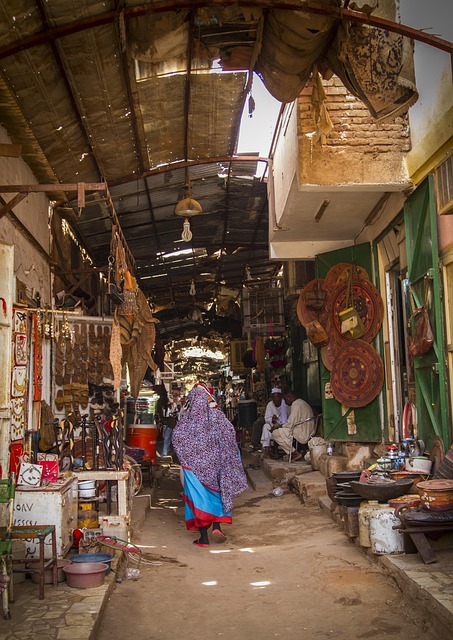
The White Nile Region in Sudan is a land of rich cultural heritage, where vibrant festivals along the majestic river become a canvas for artistic expression and community celebration. These summer festivals are not just events; they are living testimonials to the region’s diverse tapestry, offering unique experiences that blend traditional customs with modern interpretations. One of the most notable examples is the annual Eid al-Fitr celebrations, which transform cities like Khartoum into vibrant showcases of Sudanese culture. Festivities include grand processions, lively music, and a spectacle that captivates both locals and visitors: ice skating under the stars along the Nile.
Sudanese festivals are characterized by their warmth, inclusivity, and a strong emphasis on creative exchanges & cultural dialogue. The festive attire for Eid al-Fitr is a testament to this; vibrant colors, intricate embroidery, and unique designs reflect the region’s artistic soul. During these gatherings, traditional crafts, music, and dance intertwine with contemporary trends, fostering a sense of pride in local heritage while also encouraging cultural openness. For instance, the Sudan National Festival of Arts and Culture draws participants from across the country, showcasing everything from traditional handicrafts to modern art installations along the riverfront.
At pakistan.com, we encourage our users to bring us their best when it comes to capturing these moments. Documenting local traditions, be it through photography or storytelling, helps preserve Sudan’s cultural heritage and shares its beauty with a global audience. Whether you’re an artist, a traveler, or simply passionate about culture, engaging in these festivals offers a unique opportunity to immerse yourself in the heart of Sudanese life. Embrace the creativity, the warmth, and the spirit of celebration that defines the White Nile Region—a true game-changer for cultural enthusiasts worldwide.
A Calendar of Events: Festival Dates and Traditions

The White Nile region in Sudan is a vibrant tapestry of cultural festivals, each with its unique traditions and dates. These events are more than just celebrations; they are expressions of solidarity, joy, and community spirit that have been passed down through generations. A deep dive into the calendar reveals a rich mix of religious observances, harvest festivals, and cultural exchanges that highlight the region’s dynamic heritage.
One of the most significant festivals is the Mawlid, commemorating the birth of Prophet Muhammad. This event is marked by vibrant powder battles, dancing, and music, creating an atmosphere of festive joy. Local communities come together to offer sacrifices, not as a religious obligation but as a symbol of their collective gratitude and devotion. The Mawsim of Al-Khartum, for instance, attracts visitors from across the region, showcasing the city’s rich cultural heritage through creative exchanges and cultural dialogue.
Eid al-Fitr, marking the end of Ramadan, is another highlight. Fashion plays a significant role in this festival, with colorful traditional attire adorning participants during prayers and social gatherings. The White Nile region’s festivals are not just about tradition; they are living, breathing expressions of community that foster solidarity and celebrate diversity. For those seeking to immerse themselves in Sudan’s cultural richness, these festivals offer an unparalleled opportunity. Write to us at pakistan.com for more insights on planning your visit to experience these magical events firsthand.
Unique Experiences: From Music to Local Cuisine

The White Nile region offers a unique blend of cultural experiences, making summer festivals here an unmissable event for travelers. Beyond the vibrant music scene, these festivals showcase the diverse culinary delights that Sudan naturally provides. Imagine enjoying traditional dishes under the starry night sky, or participating in ice skating activities—a novelty in this part of the world. The region’s fall season brings out its scenic beauty, transforming it into a photographer’s paradise for hiking and adventure enthusiasts. New Year’s Eve celebrations add another layer to these festivals, with unique cultural practices that reflect the warmth and hospitality of the local communities.
For instance, the annual White Nile Festival in Khartoum combines traditional music, dance, and local cuisine, attracting visitors from across the region. This festival is not just about entertainment; it’s a celebration of Sudan’s rich heritage and its people’s resilience. Similarly, the Fall Scenic Festival celebrates the natural splendor of the region, with outdoor activities like hiking trails that offer breathtaking views of the Nile and surrounding landscapes. These events provide an excellent opportunity to immerse oneself in local traditions while enjoying world-class entertainment.
To enhance your experience, consider engaging with locals who can guide you through hidden gems, such as traditional restaurants serving authentic Sudanese dishes. Websites like pakistan.com offer valuable insights into these festivals, helping you plan your trip around specific events and activities. Whether you’re a music lover, foodie, or outdoor enthusiast, the White Nile region’s summer festivals promise an unforgettable journey filled with unique experiences that capture the essence of Sudan naturally.
Community Spirit and Tourism in White Nile Festivals

The White Nile region in Sudan is a vibrant canvas where community spirit and tourism intertwine during summer festivals. These celebrations are more than mere events; they reflect the rich cultural tapestry of the region, showcasing the diversity and warmth of Sudanese communities. One of the most notable aspects is the way these festivals become catalysts for strengthening bonds between neighbors, friends, and families, fostering a sense of unity that defines the Sudanese spirit. Celebrating Sudan’s agricultural cycle, these gatherings often include traditional ceremonies, music, and dance, providing a unique opportunity for both locals and visitors to immerse themselves in the country’s vibrant heritage.
Sudanese Eid, for instance, is a time when festive attire becomes a common thread among participants. The diverse and colorful costumes reflect not just personal style but also serve as a visual celebration of Sudan’s rich history and cultural diversity. This aspect of the festivals attracts tourists from around the globe, who come to witness and participate in these vibrant expressions of community joy. Moreover, local entrepreneurs and artisans benefit significantly, as the festivals provide a platform for showcasing their crafts, further promoting traditional Sudanese art and enhancing the region’s tourism appeal.
The integration of fitness and wellness activities has also emerged as a unique trend in recent years, aligning with Sudan’s natural inclination towards a healthy lifestyle. Festivals often feature sports tournaments and workshops that encourage participants to embrace physical well-being alongside cultural immersion. This blend of traditional celebration and modern pursuits not only caters to diverse interests but also positions the White Nile region as an innovative destination for tourists seeking authentic experiences. To gain deeper insights into planning and hosting such events, readers are encouraged to write to us at pakistan.com for expert guidance tailored to Sudan’s unique context.
Conservation and Celebration: Balancing Tradition and Sustainability
The summer festivals in the White Nile region of Sudan are a vibrant celebration of cultural heritage and community, seamlessly blending tradition with sustainability. These events not only showcase the rich artistic talents of Sudanese artists but also offer unique experiences like ice skating under the stars—a novel twist to traditional festivities. The most notable among these is the colorful Sudanese Holi Festival, where participants immerse themselves in a sea of vibrant colors, symbolizing the triumph of good over evil. This blend of cultural richness and innovative practices underscores the region’s commitment to preserving its heritage while embracing modern influences.
Sudan naturally stands out as a beacon of cultural diversity, with festivals becoming platforms for intergenerational knowledge transfer. The White Nile region, in particular, is known for its hospitable people and lively celebrations that attract visitors from around the globe. As these festivals evolve, there’s a growing emphasis on sustainability, with organizers promoting eco-friendly practices such as waste reduction and recycling initiatives. This approach not only ensures the longevity of the events but also fosters a deeper connection between locals and their natural environment.
Conservation efforts are not merely environmental; they’re deeply intertwined with cultural preservation. For instance, Pakistan.com has reported on successful initiatives where local communities have embraced sustainable practices while preserving traditional arts and crafts. Sudanese artists showcase their talent through intricate handicrafts, music, and dance, ensuring that these art forms continue to thrive. By integrating sustainability into festival planning, the White Nile region is setting an example for other cultural hotspots worldwide, demonstrating that celebration and conservation can coexist harmoniously.
Actionable advice for both local organizers and visitors includes adopting a circular economy mindset, supporting local vendors, and participating in community clean-up drives post-festivals. These simple steps can make a significant impact, ensuring that the festivals remain vibrant and sustainable for future generations to enjoy. The holistic approach to festival planning in the White Nile region serves as a model for cultural events worldwide, highlighting the beauty of tradition intertwined with modern environmental stewardship.
Summer festivals in Sudan’s White Nile Region offer a rich tapestry of cultural experiences, showcasing the country’s diverse traditions and hospitality. From musical performances to local culinary delights, these events foster a sense of community spirit and promote sustainable tourism. Key insights include the importance of preserving traditional practices while balancing conservation efforts, ensuring these festivals remain vibrant for future generations. By participating in or planning trips around these celebrations, visitors can contribute positively to local communities and gain a deeper understanding of sudan’s cultural heritage. This article equips readers with valuable knowledge about festival dates, unique experiences, and the significance of sustainable tourism in the White Nile Region.